Understanding the Different Materials in Fence and Gate Repair Jan 16, 2026
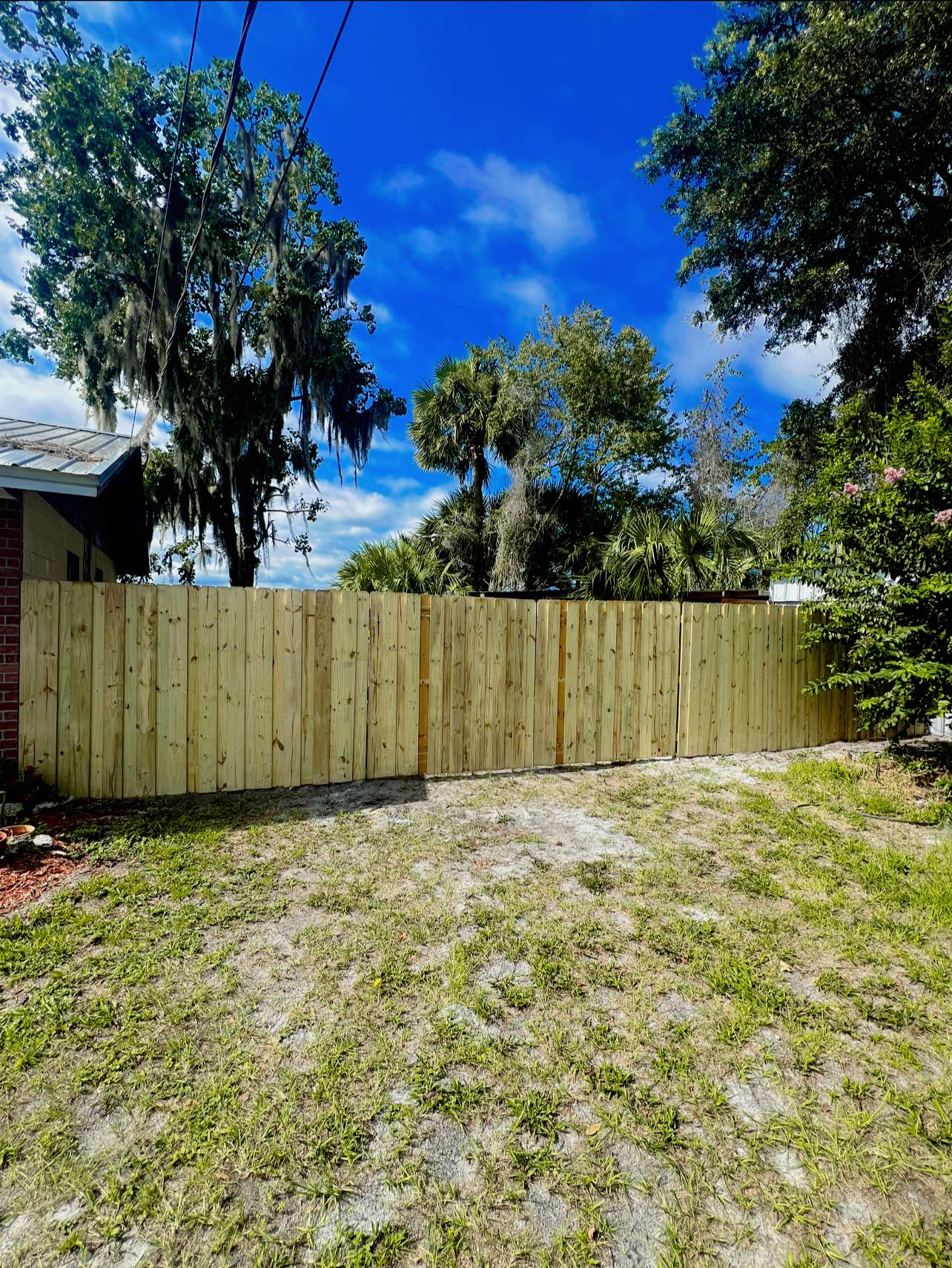
Let's begin with wood, a classic choice that stands out for its natural beauty and timeless appeal. Wood fences are versatile, available in different types such as cedar, pine, and redwood. Cedar and redwood, while more expensive, offer natural resistance to pests and rot, making them ideal for areas with high humidity or insect activity. For those on a budget, treated pine provides durability against the elements with regular maintenance. However, all wood fences require consistent care, such as staining or sealing, to maintain their integrity and appearance over time.
Moving on to vinyl fencing, this option is favored for its low maintenance and long-lasting durability. Vinyl does not rot or warp, making it an excellent choice for regions with extreme weather conditions. Its strength is particularly beneficial in areas prone to wind and rain. Though the initial cost is higher than wood, the long-term benefits often outweigh the expense, as vinyl requires no painting or staining and is easy to clean with soap and water. However, it is essential to ensure that vinyl fencing is well-installed to withstand weather impacts over time.
For those prioritizing security and longevity, metal options such as aluminum and steel might be more appropriate. Aluminum fencing is resistant to rust and corrosion, making it suitable for coastal areas or places with heavy rainfall. Its lightweight nature allows for easier installation while still providing the elegance of wrought iron without the maintenance woes. Steel, on the other hand, offers ultimate strength and security, ideal for protecting properties from intruders. Although it requires a higher investment, steel fencing is nearly indestructible and can handle harsh conditions.
Chain-link fencing is a practical choice for homeowners prioritizing functionality and cost-effectiveness. Primarily used for its security features, chain-link serves well for marking boundaries and securing children or pets within a yard. While it may not offer the privacy and aesthetic appeal of other materials, it can be supplemented with privacy slats or plant growth to enhance its visual appeal.
Lastly, composite fencing, made from recycled wood fibers and plastic, is becoming increasingly popular for its sustainability and wood-like appearance without the high maintenance. This eco-friendly option offers the benefits of durability and weather resistance while contributing to a reduced environmental impact. Composite materials are ideal for those wishing to maintain a wooden aesthetic with less upkeep.
In conclusion, the right material for your fence or gate repair depends on several factors, including your budget, aesthetic preferences, environmental conditions, and long-term maintenance requirements. At Otter's Fence & Gate Repair Service, we’re here to guide you through these decisions, ensuring you select a material that best fits your home’s needs and enhances your property's value. By understanding the benefits and drawbacks of each material, you can make a more informed choice that will stand the test of time and provide peace of mind for years to come.
/filters:no_upscale()/filters:format(webp)/media/541c624a-513f-4394-a9a6-224ee23841ac.jpg)
/filters:no_upscale()/filters:format(webp)/media/a7114ed7-76a7-437a-91de-3dc4b22df8f5.jpg)